
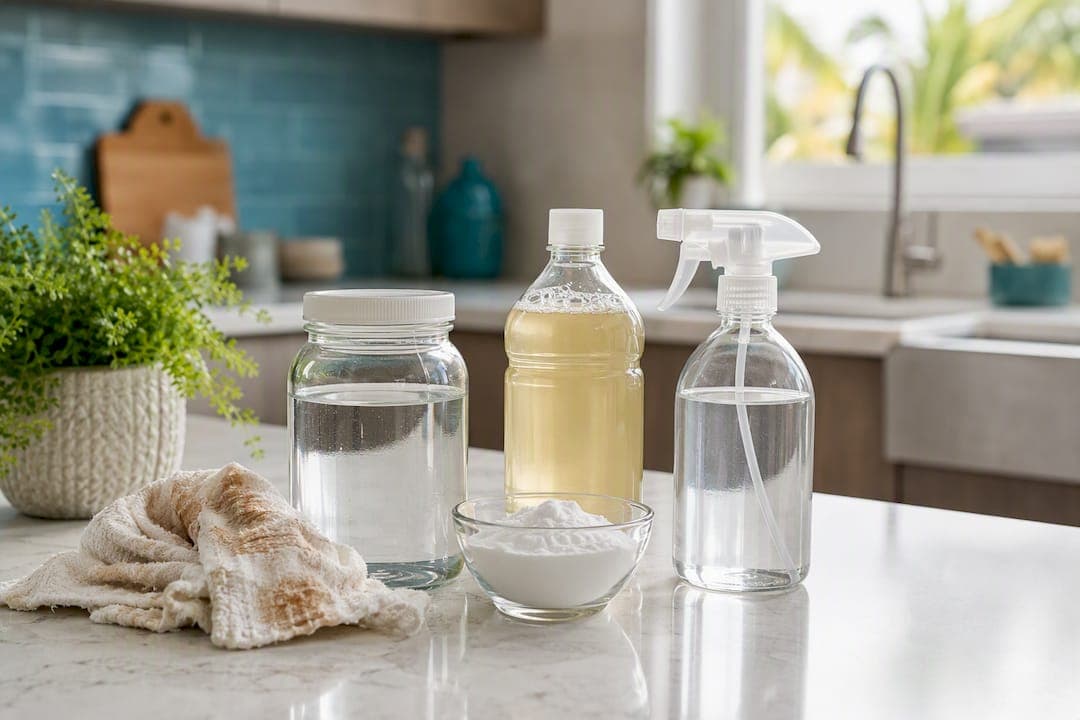
Yes, you can clean almost every surface in your home safely and effectively without a single toxic cleaner. A four-ingredient starter kit (vinegar, baking soda, castile soap, and hydrogen peroxide) handles the vast majority of household jobs. For deeper messes, mold, or move-out cleans, look for third-party certification like EPA Safer Choice on store-bought products, or book a professional eco-friendly cleaning service.
TL;DR:
- Non-toxic household cleaning relies on four main ingredients: vinegar, baking soda, castile soap, and hydrogen peroxide, which effectively handle most cleaning tasks.
- Look for third-party certifications like EPA Safer Choice or EWG Verified to verify a cleaner’s safety and full ingredient disclosure, not just marketing claims.
- Avoid common hazardous ingredients like bleach, ammonia, and quats, and use safer substitutes such as oxygen bleach, vinegar, enzyme cleaners, and mineral abrasives.
- Different rooms require specific, gentle cleaning methods, such as vinegar rinse for stainless steel surfaces and enzyme cleaners for pet stains, to prevent damage.
- Professional eco-friendly cleaning services are recommended for mold, deep cleaning, or move-out scenarios where DIY efforts may fall short or be too time-consuming.
Table of Contents
- What Belongs in a Non-Toxic House Cleaning Starter Kit?
- How Do You Know a Cleaner Is Actually Non-Toxic?
- Which Common Cleaning Ingredients Should You Avoid?
- How Should You Clean Each Room Without Harsh Chemicals?
- When Should You Hire a Professional Eco-Friendly Cleaning Service?
- What Cleaning Myths Are Worth Ignoring?
- Where Can You Verify Cleaning Product Claims Yourself?
- The Real Trade-Off Nobody Talks About in Non-Toxic Cleaning
- Book a Non-Toxic Deep Clean Without Lifting a Sponge
- Sources
What Belongs in a Non-Toxic House Cleaning Starter Kit?
Four ingredients cover the vast majority of what shows up on a typical cleaning checklist. Distilled white vinegar, baking soda, liquid castile soap, and 3% hydrogen peroxide form the backbone of nearly every credible non-toxic cleaning guide, and they work because of basic chemistry, not marketing.
White vinegar is roughly 5% acetic acid, which dissolves mineral deposits, cuts through grease film, and kills a decent share of household bacteria on contact. Baking soda is a mild alkaline abrasive, useful for scrubbing without scratching most surfaces. Castile soap is a plant-oil based surfactant that lifts dirt and oil away from skin-safe surfaces. Hydrogen peroxide at 3% works as a mild bleaching agent and disinfectant, breaking down into water and oxygen after use, which is part of why it's a favorite for eco-friendly disinfecting.
Here are five recipes worth keeping on your fridge or under the sink.
- All-purpose spray: Mix 1 cup water, 1 cup white vinegar, and 10 to 15 drops of lemon essential oil in a spray bottle. Skip this on granite, marble, or other natural stone. The acid etches the surface over time, a caution cooperative extension guides flag consistently.
- Bathroom scrub: Sprinkle baking soda directly onto a damp sponge, scrub tubs and sinks, then rinse. Do not use on unsealed grout that's already stained. It can dull the sealant over repeated use.
- Glass and mirror cleaner: Combine 2 cups water, ½ cup vinegar, and ¼ cup rubbing alcohol in a spray bottle for a streak-free finish. Skip the alcohol version if you have tinted or aftermarket window film, since some solvents can cloud it.
- Heavy-duty scrub paste: Mix baking soda with a few drops of castile soap and just enough water to form a paste. Great for stovetops and grout lines. Avoid on brushed metal finishes, which can scratch.
- Laundry stain booster: Add ½ cup hydrogen peroxide directly to a stain before washing, or pour it into the bleach dispenser for whites. Never mix it with vinegar in the same container. Combining the two in a closed space wastes both and can build pressure in a sealed bottle.
Pro Tip: Store your hydrogen peroxide in the brown bottle it came in, or transfer it to an opaque container. Light breaks down its active oxygen content, so a peroxide spray sitting in a clear bottle on a sunny windowsill loses disinfecting power within days.
If mixing your own doesn't appeal to you, refill tablets and unscented concentrates have gotten genuinely good. Brands built around concentrated refill systems, like Blueland, show that plant and mineral-based formulas can match conventional cleaner performance while cutting down on packaging waste and skipping some of the additives found in big-box sprays. For sensitive households, a single concentrated bottle that makes multiple refills is often the simplest way to standardize what's under your sink.
How Do You Know a Cleaner Is Actually Non-Toxic?
Start with the ingredient list, not the front label. A bottle that says "natural" or "eco" in bold letters can still list "fragrance" as its only disclosed scent ingredient, and that single word can legally hide dozens of undisclosed chemicals, some linked to skin and respiratory irritation.
Two certifications actually mean something. EPA Safer Choice reviews product formulations against a strict list of chemicals of concern and only certifies products where every ingredient meets that bar for human and environmental safety. EWG Verified, backed by the EWG Guide to Healthy Cleaning database, grades products based on full ingredient disclosure and known hazard data. Neither certification guarantees a product will out-clean a stronger conventional formula on every job, but both guarantee somebody outside the marketing department actually checked the ingredients.
Independent reviewers and consumer advocates have flagged this gap for years: green marketing routinely outruns what's actually inside the bottle, and the only way to close that gap yourself is to read past the front label.
A quick verification checklist before you buy:
- Does the label list every ingredient, or does it hide behind "proprietary blend" or unspecified "fragrance"?
- Is there an EPA Safer Choice or EWG Verified logo, and can you confirm it on the certifying body's own site?
- Does the brand publish a full Safety Data Sheet (SDS) if you search for it?
- Are there independent reviews outside the brand's own site, not just star ratings on the product page?
Concentrates and refill systems tend to score well on this checklist by default, mostly because brands selling that model lean on transparency as a selling point.
Which Common Cleaning Ingredients Should You Avoid?
Bleach (sodium hypochlorite) and ammonia are the two most common household ingredients worth phasing out first. Both release fumes that irritate airways, and mixing them, even by accident, produces toxic chloramine gas. Quaternary ammonium compounds, or "quats," found in many disinfecting wipes, have been linked to asthma-like symptoms with regular exposure. Synthetic fragrances and phthalates, often used to stabilize scent, are common triggers for headaches and skin reactions in sensitive people. Formaldehyde-releasing preservatives, found in some liquid soaps and sprays, are a slower-burn concern tied to long-term respiratory irritation.
Substitutes exist for nearly all of them:
- Swap chlorine bleach for hydrogen peroxide or oxygen bleach (sodium percarbonate) for whitening and stain removal.
- Replace ammonia-based glass cleaners with a vinegar and water mix, or a plant-based surfactant spray.
- Use enzyme cleaners instead of quats for pet stains and organic messes. They break down the material rather than just masking odor.
- Choose fragrance-free or essential-oil-scented products over synthetic fragrance blends, and check the essential oil against a pet-safety list first. Tea tree, citrus, and peppermint oils are common triggers for cats and dogs in concentrated form, according to pet toxicity guidance.
- Rely on mineral abrasives like baking soda instead of harsh solvent-based scrubs for tile and grout.
There are legitimate cases for stronger chemicals. A confirmed mold outbreak after flooding, a norovirus cleanup, or a biohazard situation calls for EPA-registered disinfectants that go beyond what vinegar or peroxide can do. Non-toxic cleaning isn't a religion. It's the right default, with a few honest exceptions.
How Should You Clean Each Room Without Harsh Chemicals?
Different rooms need different approaches, and the mistakes people make are almost always about matching the wrong tool to the wrong surface.
Kitchen. Degrease stovetops and counters with a castile soap and warm water solution, then follow with a vinegar rinse for food-contact surfaces to knock down bacteria. Inside the oven, a baking soda paste left overnight loosens baked-on grime without the fumes of commercial oven cleaner. Stainless appliances do best with a microfiber cloth and diluted castile soap. Skip vinegar on the exterior of stainless steel if it has a protective coating, since repeated acid contact can dull the finish.
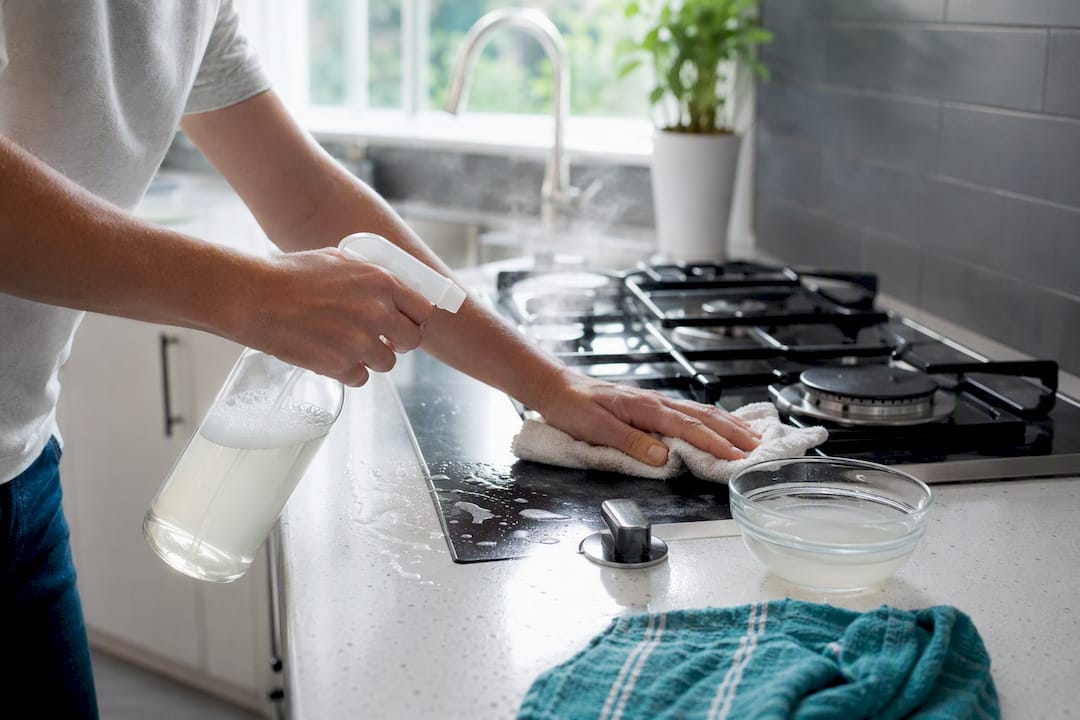
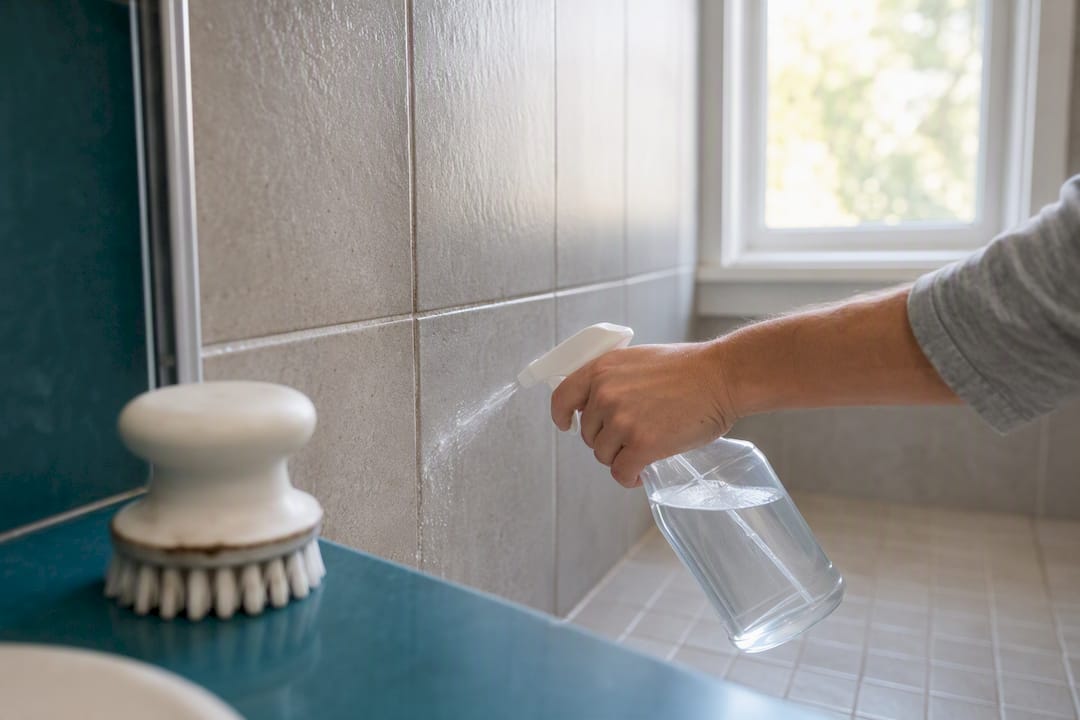
Bathroom. This is where mold-safe practice matters most. Hydrogen peroxide sprayed directly on grout and left for ten minutes before scrubbing handles mildew without the fumes of chlorine bleach. For toilets, a baking soda and vinegar combination (added in stages, not premixed, since they neutralize each other quickly) provides enough fizzing action to lift rings. This is the core of eco-friendly bathroom cleaning: mold control without a respirator.
Floors. Sealed hardwood tolerates a mild castile soap solution, wrung nearly dry, but standing water and vinegar both damage the finish over time. Natural stone floors, marble and granite especially, should never see vinegar or any acidic cleaner. The acid reacts with the calcium in the stone and etches a permanent dull spot. Laminate handles a vinegar and water mix fine as long as you avoid soaking the seams.
Upholstery and pet stains. Vacuum thoroughly before applying any liquid; wet debris just smears into fabric fibers. Enzyme-based cleaners, not general-purpose sprays, are the right call for pet accidents because they break down the proteins causing the odor rather than masking it. Test any new cleaner on a hidden patch of fabric first and wait 30 minutes to check for discoloration before treating a visible area.
Pro Tip: Keep a small unmarked test patch strategy for every new cleaner, even ones labeled non-toxic. "Natural" ingredients like citrus oil concentrates can still discolor certain dyes and finishes.
When Should You Hire a Professional Eco-Friendly Cleaning Service?
DIY methods reach their limit in a few predictable situations: heavy mold growth after humidity exposure, a full move-out clean with a deposit on the line, a vacation rental turnover with a tight guest window, or simply not having the hours to scrub grout on a Saturday. This is where a non-toxic cleaning service earns its cost. Professionals bring commercial-strength plant and mineral-based concentrates, HEPA vacuum equipment, and training on things like proper dwell times for peroxide-based disinfectants that most DIY guides skip entirely.
Before hiring any eco-friendly maid service, ask a few direct questions:
- Can they name the specific products they use, not just say "green" or "eco-friendly"?
- Are staff background-checked, insured, and bonded?
- Is there a written satisfaction guarantee if something gets missed?
- How fast can you actually book, and does that process happen online without a phone tag?
Scheduling takes under 60 seconds online, which matters most for Airbnb hosts working against a same-day guest turnover. If you're vetting any provider, not just this one, our guide to choosing a cleaning service walks through the same red flags worth checking before you hand over your keys.
What Cleaning Myths Are Worth Ignoring?
"Natural" doesn't mean safe, and "scented" doesn't mean natural. Poison ivy and arsenic are both natural. A candle labeled "fresh linen" almost never contains actual linen extract; it's a synthetic fragrance blend, full stop. These two myths cause more wasted money on mislabeled products than any other misconception in the non-toxic cleaning space.
Three checks catch most greenwashing before you buy:
- Read the ingredient list. If it's not there, that absence is itself the answer.
- Look for a real third-party seal, like EPA Safer Choice or EWG Verified, and confirm it on the certifying organization's own site rather than trusting the bottle's graphic.
- Search for independent reviews outside the brand's own marketing pages before assuming a product performs as claimed.
Treat the word "non-toxic" on a label as a marketing claim until a certification backs it up, not as a fact.
Where Can You Verify Cleaning Product Claims Yourself?
A handful of sources do the heavy lifting if you want to check a product before it's in your cart. The EWG Guide to Healthy Cleaning lets you search individual products and ingredients against known hazard data. EPA Safer Choice explains exactly what its certification requires and lists every approved product by category. University cooperative extension offices, like the one behind Clean and Green Homemade Cleaners, publish tested DIY recipes with the surface cautions most blog posts leave out. If indoor air quality is part of your concern beyond surface cleaning, resources on indoor air pollution sources and solutions round out the picture on ventilation and filtration.
The Real Trade-Off Nobody Talks About in Non-Toxic Cleaning
Most non-toxic cleaning advice treats the topic as purely a health decision, but the honest trade-off is time. A vinegar and castile soap routine costs pennies per use and avoids the chemical load of conventional sprays, and over a year it's meaningfully cheaper than buying name-brand disinfectant sprays every month. What it costs instead is your Saturday morning, because DIY mixtures generally need more scrubbing time and shorter shelf lives than commercial formulas built with stronger surfactants.
The families who stick with non-toxic cleaning long-term usually land on a hybrid: DIY sprays for daily wipe-downs, a certified commercial concentrate for tougher jobs, and a professional deep clean a few times a year for the grout lines and baseboards nobody has time to hand-scrub. That split respects both the health upside and the reality of a full schedule. Skipping the professional deep clean entirely and trying to DIY everything, including mold remediation or a full move-out scrub, is where I see people burn a weekend and still not get the result they wanted.
— Erik
Book a Non-Toxic Deep Clean Without Lifting a Sponge
Cleaning gives you a faster path to the same result this whole guide is built around: a home that's genuinely clean without the chemical trade-offs, minus the hours of scrubbing grout yourself. Every team serving Miami-Dade County is background-checked, insured, and bonded, and uses eco-friendly products suited to South Florida's humidity and salt air, the exact conditions that make mold and mildew such a persistent problem here.
If you're wondering what to tidy up before your appointment, our answer on prepping your home before the cleaner arrives covers exactly that. Ready to see availability in your area? Visit the Miami-Dade house cleaning page and get a quote in minutes.
Sources
- EWG Guide to Healthy Cleaning
- Non-Toxic Cleaning Products Guide | ToxinChecker
- Clean and Green Homemade Cleaners — UAEX