
Do a full room-by-room deep clean, take dated photos of every space before you hand over keys, and book a professional for carpets or heavy soiling if your lease requires it. Landlords deny deposits most often over dirty ovens, moldy bathrooms, stained floors, and grimy windows. Start at least a week out, work room by room, and photograph everything before you leave.
TL;DR:
- Landlords most often deduct deposits for dirty ovens, moldy bathrooms, stained floors, and grimy windows, especially if appliances and bathroom mold are neglected.
- Focusing on appliances, bathrooms, and flooring in the final cleaning cycle reduces the risk of deposit loss, as these are the most costly issues for landlords to fix.
- Document all cleaning efforts with timestamped photos of appliances, floors, and walls, and compare results to the original move-in report for dispute defense.
- Prioritize deep-cleaning of greasy kitchens and moldy grouts over minor details such as baseboards or light switches, which are less likely to cause deductions.
- Hiring professional move-out cleaning services makes sense when time is tight, heavy soiling is present, or lease agreements specify professional cleaning requirements.
Table of Contents
- Kitchen Move-Out Cleaning Checklist: What Landlords Check First
- Bathroom Move-Out Cleaning Checklist: Mold, Grout, and Caulk
- Bedroom and Living Room Checklist: Carpets, Walls, and Closets
- Whole-Home Checklist: The Spots Everyone Forgets
- Supplies, Time Estimates, and a Cleaning Schedule That Works
- Final Walk-Through: Documentation That Protects Your Deposit
- When a Professional Move-Out Clean Makes the Difference
- What Actually Gets You Your Deposit Back
- Book a Move-Out Clean With Cleaning.Miami
- Sources
Kitchen Move-Out Cleaning Checklist: What Landlords Check First
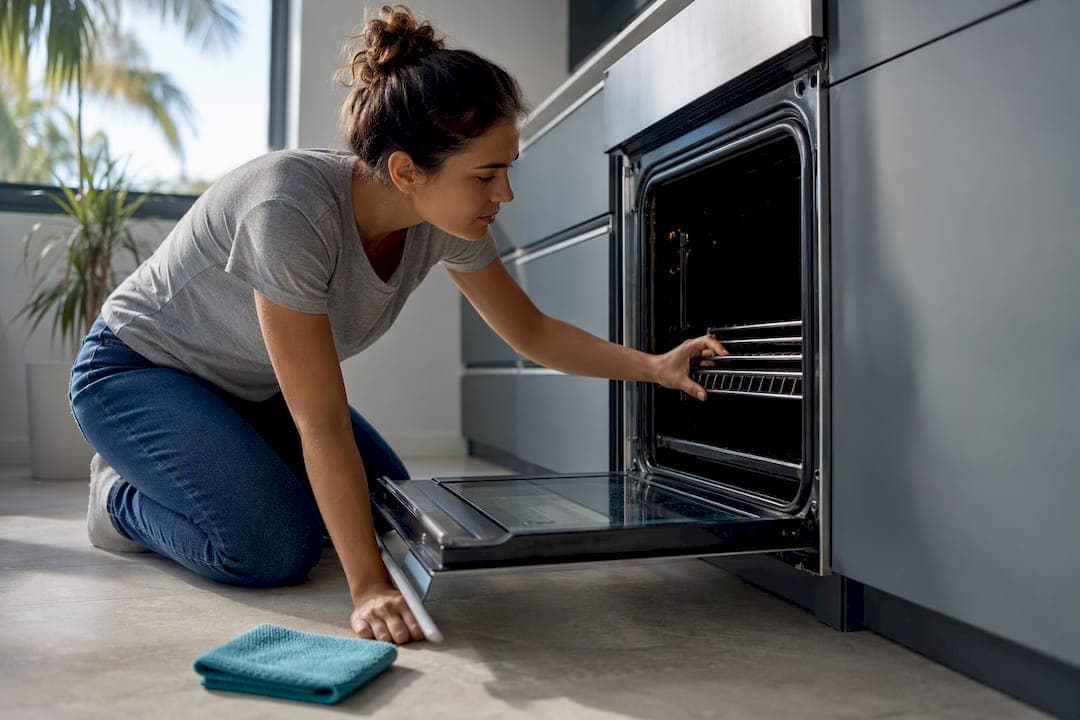
The kitchen causes more deposit disputes than any other room, mostly because of what's hiding inside appliances. Landlords check appliance interiors, bathrooms, floors, and windows before anything else, and a greasy oven or a fridge with old spills is the fastest way to lose part of your deposit.
Work through these tasks in order:
- Empty every cabinet and drawer, wipe the interiors, and vacuum out crumbs before wiping with a damp cloth
- Pull the oven racks and drip pans and soak them separately while you clean the oven interior
- Clean inside the fridge and freezer, including door seals and the drawer under the crisper bins
- Wipe down the microwave interior, especially the ceiling, where splatters bake on
- Run the dishwasher empty with a cleaning tablet, then wipe the door seal and detergent tray
- Degrease the stovetop, the range hood filter, and the backsplash behind the burners
- Check behind and under the fridge and stove if you can move them safely
- Sanitize the sink and faucet, wipe counters and baseboards, then sweep and mop last
Baked-on grease on the stovetop or inside the oven is one of the most common reasons landlords bill tenants directly, since it usually requires a degreaser and real scrubbing time to remove, not a quick wipe.
Pro Tip: Vacuum drawers, shelves, and oven racks before you wet-wipe them. Cleaning professionals recommend this order because dust and hair turn into a sticky mess the moment they mix with water or cleaner.
Bathroom Move-Out Cleaning Checklist: Mold, Grout, and Caulk
Bathrooms fail inspections for one recurring reason: mold and mineral buildup that tenants assume is "normal wear." It isn't, and landlords know the difference between a stain and a wet stain that never got scrubbed.
Move through the space methodically:
- Scrub the toilet bowl, seat, base, and the often-ignored gap behind the tank
- Deep-clean the shower and tub, including tile grout, glass door tracks, and any soap scum buildup
- Descale the faucets and showerhead with a vinegar soak if hard water spots have built up
- Wipe out the medicine cabinet and clean the exhaust fan cover, which collects dust nobody notices until it's gone
- Inspect the caulk around the tub and sink for cracks, gaps, or black mold
- Polish mirrors and light fixtures, then finish with sweeping and mopping the floor
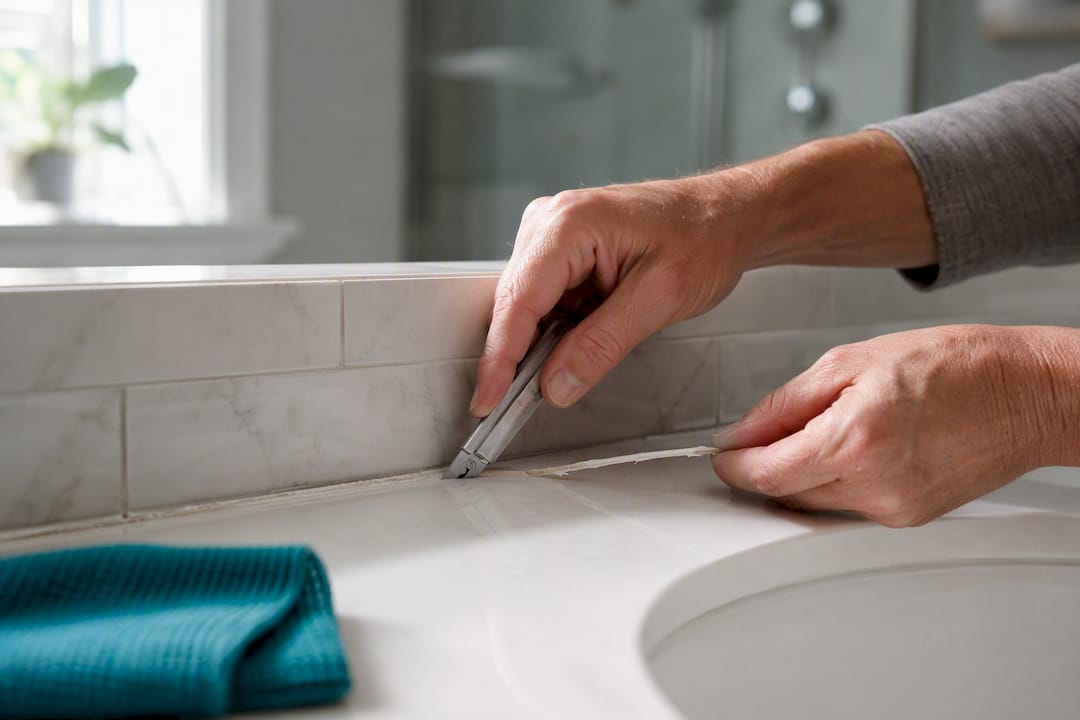
Cracked or moldy caulk is a small fix that makes a huge visual difference. A tube of mold-resistant caulk and a caulking tool cost under $15, and a clean bead around the tub reads as "well maintained" to anyone doing a walk-through.
Pro Tip: If old caulk won't come off clean, don't fight it for an hour. Score along both edges with a utility knife, peel it out in one strip, and lay a fresh bead. It takes fifteen minutes and looks far better than a patched-over mess.
Bedroom and Living Room Checklist: Carpets, Walls, and Closets
Bedrooms and living areas rarely get flagged for one dramatic problem. They get flagged for a dozen small things landlords notice in sequence during a walk-through.
- Move furniture where you can and vacuum or sweep underneath, including behind the bed frame and couch
- Deep-vacuum carpets in every direction, and consider a professional carpet clean if your lease requires it or if stains won't lift
- Dust ceiling fans and light fixtures, then clean windows, tracks, and sills, plus wipe down blinds or curtains
- Fill small nail holes with spackle and let it dry before you leave, and spot-clean wall marks with a magic eraser
- Empty closets completely and wipe down shelves and rods, since dust collects there for years unnoticed
- Wipe baseboards and door frames throughout, catching the scuffs that accumulate near light switches and thresholds
If your carpet has deep stains or pet odor that vacuuming won't fix, a rug cleaning service or a washable rug swap can be cheaper than what a landlord would charge you for professional cleaning after the fact.
Whole-Home Checklist: The Spots Everyone Forgets
A handful of small, cheap fixes protect more deposit money than people expect. Replacing burned-out bulbs, filling nail holes, and swapping HVAC filters are inexpensive tasks that show a landlord you took care of the place.
Before you call it done, cross off:
- Baseboards, door frames, light switches, outlet covers, vents, and register covers in every room
- Interior windows, tracks, screens, and sills, plus dust knocked off the blinds
- Trash removal and a sweep or mop of any balcony, garage, or storage unit included in your lease
- Burned-out bulbs replaced and the HVAC filter changed if your lease specifies it
None of these take long individually. Skipped together, they add up to the "the place feels neglected" impression that gets deposits docked even when the big rooms look fine.
Supplies, Time Estimates, and a Cleaning Schedule That Works
Stock a basic kit before you start: an all-purpose cleaner, a degreaser for the kitchen, a bathroom-specific cleaner with descaling power, microfiber cloths, a vacuum, a mop, and glass cleaner. Add spackle, touch-up paint, caulk, an enzyme cleaner for pet stains, and Goo Gone for sticker residue or adhesive marks if they apply to your unit.
Time varies by size. A studio or one-bedroom typically takes 4 to 6 hours, a two-bedroom runs 6 to 10 hours, and a three-bedroom can take 10 to 14 hours for a full deposit-focused clean, and that estimate climbs further with pets, heavy grease, or years of buildup.
Spread the work out instead of cramming it into one exhausting day:
- Three to seven days out: tackle cabinets, closets, and appliance interiors while furniture is still in place
- One to two days before move-out: deep-clean bathrooms, floors, and any carpet, ideally right after furniture leaves
- Day of final handover: do a quick walkthrough for dust, streaks, and anything missed, then take your photos
Final Walk-Through: Documentation That Protects Your Deposit
Photos and receipts are your evidence if a landlord disputes the condition later. Timestamped photos of every room, plus receipts for any professional cleaning, form the strongest case you can build for a full refund.
- Photograph appliance interiors, closets, floors, and walls, and record a short walkthrough video for good measure
- Email the photos to yourself so the timestamp is verifiable later
- Request a joint walkthrough with your landlord and hand over your forwarding address in writing
- Compare your results against your original move-in condition report, since that document is your strongest reference point in any dispute
Pro Tip: Stained carpet, mold, large unpatched holes, and a greasy oven are the four issues that most often trigger deposit deductions. Handle those four first, and the smaller stuff barely matters.
When a Professional Move-Out Clean Makes the Difference
Tight timelines, heavy soiling, or a lease that specifically requires professional cleaning are the three scenarios where hiring out beats DIY. Professional cleaning teams use eco-friendly products and back their work with guarantees, which matters most when there's no time left to redo a rushed clean yourself.
What Actually Gets You Your Deposit Back
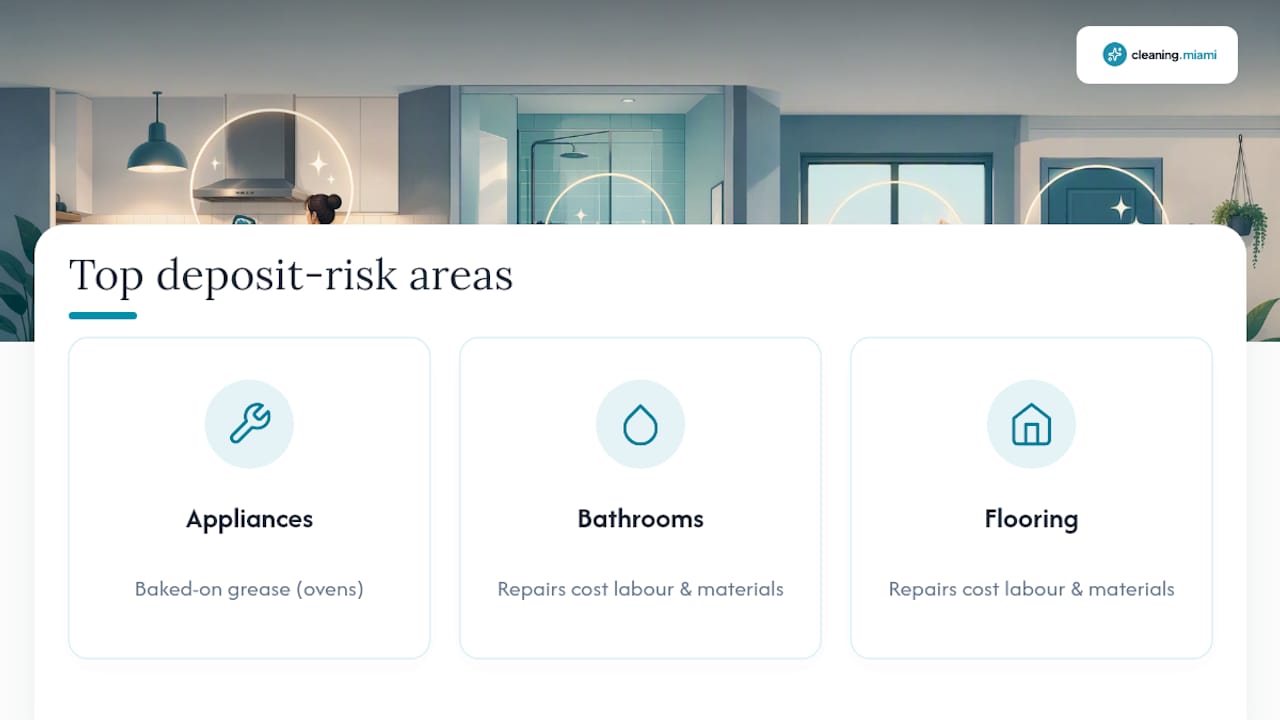
Most move-out advice treats every task as equally urgent, and that's where renters waste time. It isn't. A perfectly dusted ceiling fan means nothing if the oven still has baked-on grease, because landlords price deductions around the few areas that actually cost them labor and materials to fix: appliances, bathrooms, and flooring.
The conventional checklist approach also skips a step that matters more than any single cleaning task: comparing your results against your move-in condition report. That document is the baseline every dispute gets measured against, and tenants who never looked at it again are negotiating blind.
If there's one thing to prioritize first, it's this: clean the four or five things that cause deductions, document them with photos, and only then worry about the baseboards and light switches. A spotless apartment with no documentation is a weaker position than a good-enough apartment with proof.
— Erik
Book a Move-Out Clean With Cleaning.Miami
Skipping the DIY grind entirely is the fastest way to guarantee every red-flag item gets handled right, without spending your last weekend scrubbing an oven. Cleaning.Miami's move-out cleaning service covers the full deposit-focused list: appliance interiors, bathroom descaling and caulk checks, carpets, baseboards, and windows, done by teams that are background-checked, insured, and covered by a satisfaction guarantee.

Getting a quote takes only a short time through an online booking system, and scheduling one to two weeks ahead is advisable since move-out dates often cluster around the end of the month. If you're in a smaller unit, the apartment cleaning page has packages sized for studios through larger layouts. Book your date now, and walk into your final inspection with the kitchen, bathroom, and floors already handled.
Sources
- Move Out Cleaning Checklist (Free Printable PDF + Tool)
- Care
- Move-Out Cleaning Checklist for Getting Your Deposit Back | PODS