
A deep cleaning checklist works room by room and top to bottom: declutter first, gather your supplies, then move through each space from ceiling to floor so dust and grime never resettle on what you already cleaned. Most homes take a full weekend or several short sessions spread across a week. Print the checklist below or save it to your phone and check off rooms as you finish them.
TL;DR:
- The most time-consuming deep-clean tasks are cleaning appliance interiors, coils, and dryer vents, which significantly reduce energy costs and prolong appliance life.
- Focus efforts on the kitchen and bathroom, as they provide the highest visible benefits for time invested, rather than spreading effort evenly across all rooms.
- Regularly cleaning vents, filters, and dryer ducts enhances indoor air quality and is vital for fire safety, especially in humid climates like Miami.
- Professional deep cleaning services offer quick, eco-friendly, and insured options that can complete the entire checklist in a few hours, saving homeowners a full weekend.
- Prioritizing decluttering before cleaning and handling high-dust areas first improves cleaning efficiency and prevents repeating work.
Table of Contents
- Before You Start: Prep, Safety, and Working Order
- Kitchen Deep Cleaning Checklist
- Bathroom Deep Cleaning Checklist
- Bedrooms Deep Cleaning Checklist
- Living Room, Dining Room, and Entry Checklist
- Laundry Room, Garage, Basement, and Utility Spaces Checklist
- Whole-Home Maintenance: Vents, Filters, Baseboards, and Windows
- Supplies, Cleaners, and Tools Checklist
- How to Schedule a Deep Clean: Time Estimates and Frequency
- Pro Tips and When It Makes Sense to Call in Help
- What This Checklist Gets Right (and Where Most Advice Falls Short)
- Let a Local Pro Handle the Deep Clean
- Sources
- FAQ
Before You Start: Prep, Safety, and Working Order
Skipping prep is the single biggest reason a deep clean turns into a three-day slog. Decluttering first clears every surface so you can actually clean it instead of cleaning around a pile of mail and shoes.
Walk each room and sort items into three piles: keep, donate, trash. Do not clean yet. Just clear. Once counters, floors, and shelves are empty, build a small supplies caddy you can carry room to room. It saves you from walking back to the kitchen twelve times.
Work top-to-bottom and move clockwise around each room. Dust and debris fall downward, so ceiling fans and shelves get attention before baseboards and floors, and floors are always the last thing you touch in any room.
A few safety basics matter more than people think:
- Open windows or run the exhaust fan whenever you mix or use stronger chemical cleaners, especially bleach-based products in bathrooms.
- Wear gloves for chemical work and a dust mask when clearing vents, behind the fridge, or under furniture that has not moved in months.
- Test any new cleaner on a hidden spot of tile, wood, or fabric before treating a visible area.
- Unplug small appliances before you clean them, and get help moving anything heavy like a refrigerator or washer.
Pro Tip: Do the whole-home high-dust pass (fans, vents, tops of cabinets) before you touch a single room's floor. Otherwise, you'll mop the same floor twice.
Kitchen Deep Cleaning Checklist
The kitchen eats more deep-clean time than any other room in the house, mostly because of what is hiding inside the appliances. Budget three to five hours here and work from the top down.
- Light fixtures and cabinet tops. Wipe down overhead lights and the dusty strip on top of upper cabinets, where grease film builds up unnoticed for months.
- Refrigerator. Pull everything out, discard anything expired, wipe shelves and drawers with a mild solution, and vacuum the coils if they're accessible from the back or bottom. Dusty coils force the compressor to work harder and shorten the appliance's life.
- Oven and stovetop. Remove and soak the racks, treat the interior with an oven-safe degreaser, and let it sit before wiping.
- Microwave. Run a bowl of water and lemon slices on high for three minutes to steam-loosen splatter, then wipe clean in seconds.
- Dishwasher. Pull and rinse the filter, then run an empty cycle with a dishwasher cleaner to clear mineral buildup and odor.
- Coffee maker. Run a descaling cycle with white vinegar or a commercial descaler, especially if you're on Miami's harder tap water.
- Cabinets and pantry. Empty shelves section by section, wipe them down, and toss anything past its date before restocking.
- Sink and disposal. Scrub the basin, run ice cubes and citrus peels through the disposal, and clean the drain stopper.
- Floors. Move light appliances if it's safe to, sweep, then mop with a cleaner suited to your floor type.
A useful number to plan around: appliance interiors and coil cleaning are consistently flagged by cleaning guides as the tasks homeowners skip most, yet they're what extends appliance life and cuts energy costs the most per minute spent.
Bathroom Deep Cleaning Checklist
Bathrooms reward patience more than muscle. Let cleaners sit and do the work instead of scrubbing immediately, and keep the door cracked or the fan running the whole time.
- Tub and shower first. Spray tile, grout, and glass with a cleaner and let it dwell for 10 to 15 minutes while you start elsewhere in the room.
- Grout and mineral deposits. Scrub grout lines with a stiff brush and treat faucet and showerhead buildup with a descaling solution, choosing a product safe for your fixture's finish.
- High-touch points. Sanitize light switches, doorknobs, faucet handles, and the toilet flush lever, all of which carry more germs than people assume.
- Exhaust fan cover. Remove the cover and wash off the dust, which restores airflow and helps control humidity, a real issue in Miami's climate.
- Textiles. Launder the shower curtain, bathmats, and towels on a hot cycle.
- Mirrors and glass. Finish glass surfaces last so any overspray from earlier steps gets wiped away.
- Floors. Mop last, working from the far corner toward the door.
Pro Tip: On natural stone tile or fixtures with a matte or brushed finish, test any descaling or acidic cleaner on a hidden spot first. The wrong pH can dull or etch the surface permanently.
Bedrooms Deep Cleaning Checklist
Bedrooms are lower-traffic than kitchens and bathrooms, but they collect dust, dander, and allergens fast because textiles trap what floors don't.
- Strip every bed completely, including pillows and mattress protectors if they're washable, and launder on the hottest setting the fabric allows.
- Vacuum the mattress surface with an upholstery attachment, and flip or rotate it if the manufacturer recommends it.
- Dust top to bottom: ceiling fan, shelves, dresser tops, then work down to baseboards.
- Clean blinds or curtains, since both trap more dust than most people expect between washes.
- Vacuum under the bed and behind furniture that hasn't moved in a while.
- Tackle the closet one shelf or rod section at a time rather than emptying the whole thing at once, which keeps the job from turning into an all-day reorganization.
Skip the urge to reorganize the entire closet mid-clean. Wipe shelves, vacuum the floor, and move on. You can declutter clothes another day.
Living Room, Dining Room, and Entry Checklist
These shared spaces get the most foot traffic and the most eyes on them, so small details show.
- Vacuum upholstery thoroughly, including under and behind cushions, then spot-clean any stains according to the fabric's care tag.
- Dust and wipe down electronics with a dry microfiber cloth, since liquid cleaners can damage screens and vents.
- Wash windows inside, wipe the sills, and clear tracks where dust and dead insects collect.
- Wipe baseboards and light fixtures throughout, which is where the top-to-bottom order pays off again.
- Clean entry mats and disinfect door hardware, which is the first surface every hand in the house touches.
A dining table gets a full wipe-down including the legs and any upholstered chair seats, which is where crumbs and spills hide longer than anyone notices.
Laundry Room, Garage, Basement, and Utility Spaces Checklist
These spaces get skipped constantly, and they're where the real safety issues hide.
- Run an empty washer cycle with a washing-machine cleaner, then wipe the detergent drawer and door seal where mold likes to grow.
- Clean the dryer lint trap after every load, and have the full duct professionally cleaned if it hasn't been done in a year or more.
- Declutter the garage or basement, sweep and scrub floors, and check corners for leaks or pest activity while you're down there.
- Clean utility sinks and drains, and wipe down shelving and storage bins.
Pro Tip: A clogged dryer duct isn't just a laundry problem. Lint buildup is a leading cause of house fires, and it's the one task on this whole checklist that doubles as a safety inspection.
Whole-Home Maintenance: Vents, Filters, Baseboards, and Windows
Some tasks don't belong to any single room but affect every room's air and appearance. These are the ones people forget until something smells musty or a room feels dusty within days of cleaning.
- Change your HVAC filter and vacuum the vent covers. Check the filter's rating against the manufacturer's guidance, since Miami humidity clogs filters faster than drier climates.
- Vacuum ceiling fans and high wall vents, and wipe down light fixtures throughout the home.
- Wash interior windows, clean the tracks and screens, and wipe the sills, which trap more grit than most people expect.
- Wipe baseboards and door frames in every room while you're moving through the house, since this is the detail that makes a whole home look freshly cleaned.
High-dust tasks like these belong early in the process, before you mop a single floor, or you'll be redoing work you already finished.
Supplies, Cleaners, and Tools Checklist
You don't need a cabinet full of specialty products. A short, well-chosen kit covers almost everything on this list.
- Everyday essentials: microfiber cloths, a scrub brush, a vacuum with hose attachments, a mop, all-purpose cleaner, glass cleaner, and a disinfectant spray.
- Specialty items: a grout brush and grout cleaner, a descaling solution for faucets and small appliances, an oven-safe degreaser, and wood polish for furniture.
- Protective gear: gloves for chemical work and a dust mask for vents, under furniture, or behind appliances.
Never mix bleach with ammonia-based cleaners, and avoid acidic or bleach-based products on natural stone counters or floors, which etch and discolor under the wrong chemistry. Always dilute according to label instructions and test in a hidden spot first.
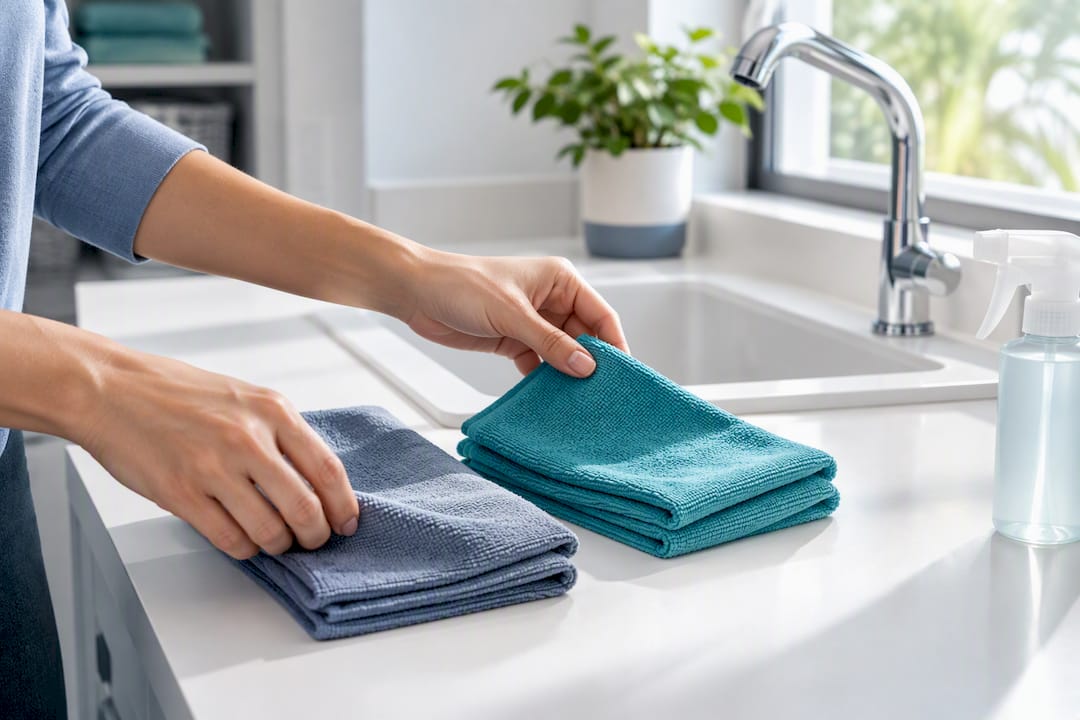
Pro Tip: Keep one microfiber cloth color for glass and mirrors and a separate color for bathroom surfaces. It sounds fussy, but it stops you from smearing bathroom bacteria onto a mirror you just polished.
How to Schedule a Deep Clean: Time Estimates and Frequency
Plan around real numbers instead of guessing. A kitchen can take several hours on its own. Each bathroom may require a couple of hours depending on how neglected the grout has become. A bedroom generally takes an hour or two including laundry and vacuuming.
- Weekend sprint: Clear two full days, tackle the kitchen and bathrooms on day one, bedrooms and living spaces on day two.
- Spread-out approach: Handle one or two rooms per session across several weekends, which fits better around a work schedule and keeps any single day from feeling overwhelming.
- Frequency: A quarterly deep clean works for most households, with more frequent passes if you have pets, young kids, or do a lot of home cooking.
Pro Tips and When It Makes Sense to Call in Help
A few habits separate a decent deep clean from one that actually protects your home. Vacuuming refrigerator coils and cleaning dishwasher filters on a set schedule extends the life of both appliances and keeps energy bills down. Vacuuming vents regularly does more for indoor air quality than any air freshener ever will. Testing a cleaner on an inconspicuous spot before treating grout or stone takes thirty seconds and prevents damage that costs far more to fix.
There's a point where hiring a professional makes more sense than another lost Saturday, especially for renters facing a move-out inspection or homeowners tackling a home that hasn't had a real deep clean in over a year.
A professional deep clean typically covers everything on this checklist in a fraction of the time, using background-checked, insured teams trained on eco-friendly products suited to humid, salt-air climates, backed by a 100% satisfaction guarantee and booking that takes under a minute.
What This Checklist Gets Right (and Where Most Advice Falls Short)
Most deep-clean guides treat every room like it deserves equal time, and that's where they mislead people. The kitchen and main bathroom carry the most visible payoff for the hours you put in, so if your weekend runs short, that's where the effort belongs, not evenly split across every closet in the house.
The other place conventional advice fails is appliance maintenance. Fridge coils, dishwasher filters, and dryer ducts get treated as optional extras when they're actually the tasks with the longest-term consequences, one for your energy bill, one for your dishes, one for fire safety.
My honest read: declutter ruthlessly before you touch a sponge, front-load your energy into the kitchen and bathrooms, and don't skip the dryer vent because it's inconvenient to reach. And if the whole project keeps sliding to next weekend, that's usually a sign to hire it out once and reset, not a personal failing.
— Erik
Let a Local Pro Handle the Deep Clean
If reading this checklist made your Saturday feel a little heavier, Cleaning is built for exactly that moment. As a Miami-Dade cleaning service, the practical edge is straightforward: a team shows up with the coil brushes, descalers, and grout tools already in the truck, and does in a few hours what takes most homeowners a full weekend.

Before the team arrives, clear personal items off counters and floors the same way you would for your own deep clean. That's the one prep step Cleaning actually recommends, since it lets the crew spend their time cleaning instead of tidying around your belongings. Heavy appliance moves and full inside-appliance detailing get scheduled in advance so nothing gets missed on the day.
Every team is background-checked, insured, and bonded, and uses eco-friendly products chosen for Miami's humidity and salt air. Bookings run under 60 seconds, there's no contract, and the 100% satisfaction guarantee means a free re-clean if anything gets missed. If your home is overdue, get a quote for deep cleaning today and pick a time that works.

Sources
For a version you can print or customize by room, the free customizable deep cleaning checklist covers most household layouts. For appliance-specific steps, Martha Stewart's room-by-room checklist breaks down fridge, oven, and dishwasher care in more detail, and wikiHow's step-by-step guide walks through the declutter-first sequence this article follows. Save or print whichever fits your home best and check off rooms as you go.
- Use Our Deep Cleaning Checklist for Every Room in Your Home
- Deep Cleaning Checklist Examples for Every Room – Fuller Brush Company
- Deep Cleaning Checklist — wikiHow
FAQ
What Should Be Included in a Deep Cleaning Checklist?
A complete checklist covers every room's high, middle, and low surfaces: light fixtures and vents, appliance interiors like the fridge, oven, and dishwasher, grout and mineral deposits in bathrooms, and finally floors and baseboards. It should also include whole-home tasks like HVAC filters, dryer vents, and window tracks that fall outside any single room.
How Much Should I Charge to Deep Clean a 2,000 Square Foot House?
Pricing for a deep clean varies by region, home condition, and how many bathrooms and appliances need detailed attention, so there's no single flat rate. Cleaning provides quotes based on your specific home rather than a generic square-footage formula, so check current pricing directly on the deep cleaning page.
How Do You Deep Clean a House Step by Step?
Start by decluttering every room, then work top-to-bottom and room-by-room: dust ceiling fans and vents first, wipe down surfaces and appliances next, and finish each room with floors. Move through the kitchen and bathrooms first since they carry the highest visible payoff for the time spent.
What Are the Main Stages of an Effective Deep Clean?
The core stages are decluttering, high-dust cleaning (fans, vents, cabinet tops), surface and appliance cleaning, bathroom-specific descaling and sanitizing, laundering textiles, and a final floor pass. Following that order in that sequence prevents the rework that makes deep cleaning feel endless.
How Is a Deep Clean Different From a Standard Clean?
A standard clean covers routine upkeep like wiping counters, vacuuming, and bathroom surfaces, while a deep clean adds appliance interiors, grout, baseboards, vents, and other spots that don't need weekly attention. Cleaning breaks down exactly which tasks fall into each category if you're deciding which service to book.