
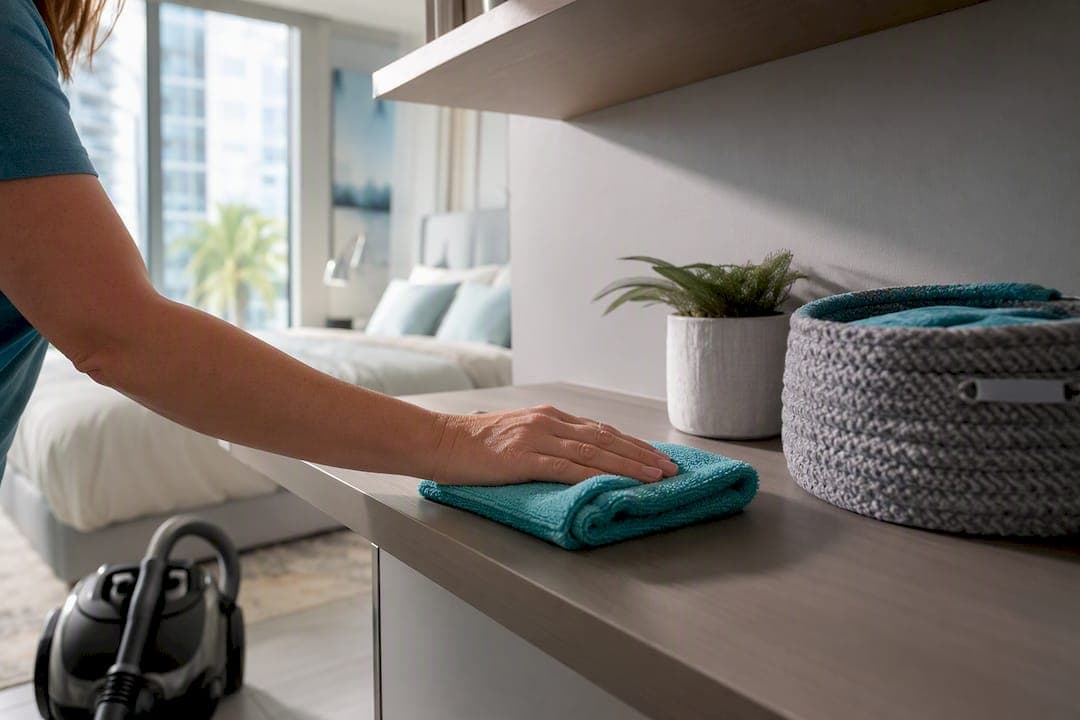
The highest-impact moves are simple: hot-wash bedding regularly, dry out any damp or moldy spots fast, pull dust reservoirs out of carpets and upholstery with a HEPA vacuum, and drop scented sprays and aerosols for fragrance-free products. None of this replaces medication or a doctor's guidance if symptoms persist, but it cuts what you're breathing at home. Below is the full checklist, room-by-room detail, and safety rules for mold and DIY cleaners.
TL;DR:
- Regularly washing bedding at 130°F kills dust mites and reduces allergen buildup in bedrooms.
- Damp-dusting from ceiling fans to baseboards traps and removes airborne allergens instead of redistributing them.
- HEPA vacuuming weekly, especially in high-pile carpets and upholstered furniture, minimizes fine dust and pet dander.
- Use fragrance-free cleaning products certified by EPA Safer Choice or Asthma & Allergy Friendly to avoid common chemical triggers.
- Control indoor humidity below 50% with dehumidifiers and fix leaks promptly to inhibit mold growth and dust mite proliferation.
Table of Contents
- What Is Allergy Friendly Cleaning, Exactly?
- Your Quick-Start Allergen Checklist
- Room-by-Room: Where Allergens Actually Hide
- Choosing Products That Won't Trigger Symptoms
- Do Air Purifiers and HVAC Filters Actually Help?
- Mold Cleanup: When to DIY and When to Call a Professional
- Safe DIY Cleaners (and the Mistakes That Cause Real Harm)
- Cutting Pet Dander Without Cutting Out the Pet
- Ventilating Your Home Before, During, and After Cleaning
- The Allergens Hiding Beyond Dust and Mold
- How Often Should You Really Clean Each Surface?
- How Cleaning.Miami Thinks About an Allergy-Friendly Home
- Get a Deep Clean That Actually Targets Allergens
- Sources
- FAQ
What Is Allergy Friendly Cleaning, Exactly?
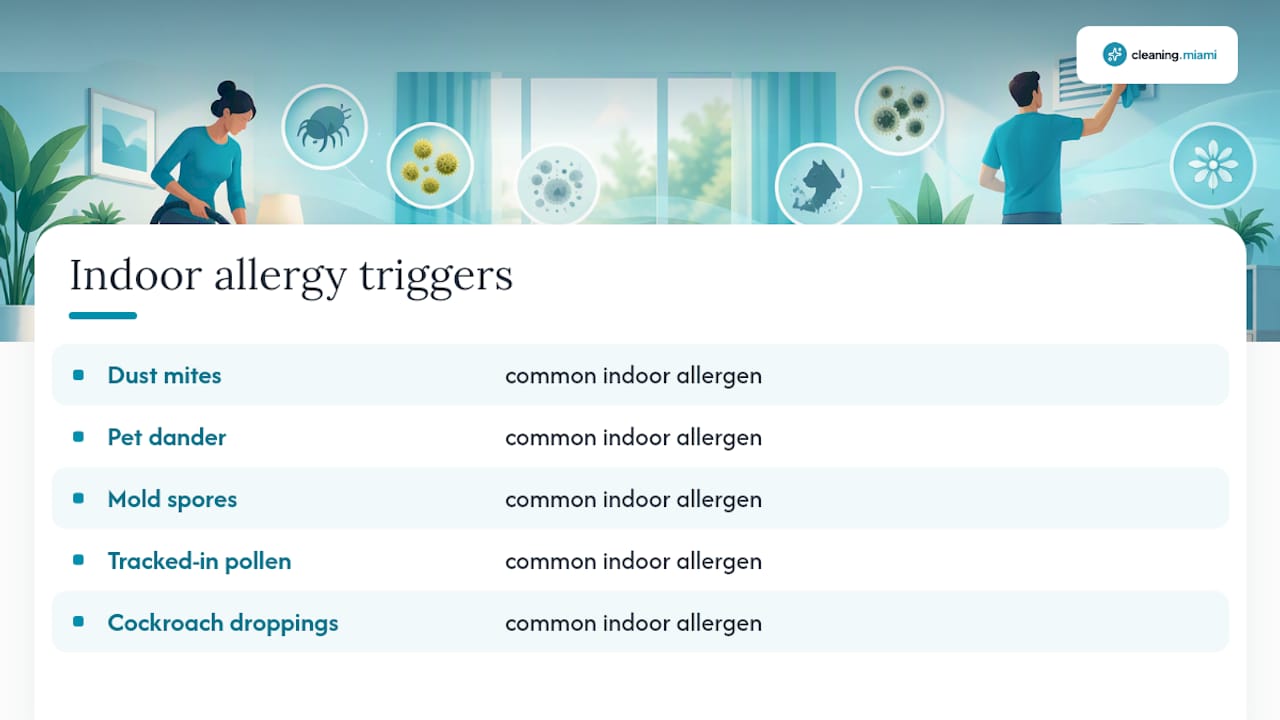
Allergy friendly cleaning means removing or containing the specific triggers that set off allergy and asthma symptoms indoors, rather than just wiping surfaces until they look clean. Dust mites, pet dander, mold spores, pollen tracked in from outside, and cockroach droppings are the usual suspects, and a house can look spotless while still loaded with all five.
The method matters as much as the frequency. Dry-dusting and dry-sweeping just launch particles into the air where you'll inhale them for the next hour. Cleaning for asthma sufferers means damp-dusting, HEPA filtration, and hot water instead, so allergens get trapped and removed rather than redistributed. That distinction is the backbone of every recommendation from the American Academy of Allergy, Asthma & Immunology, and it's the difference between a house that looks clean and one that actually is.
Your Quick-Start Allergen Checklist
Start with the five actions that give you the biggest payoff for the least effort, then build the rest of your routine around them.
- Hot-wash bedding weekly. Sheets, pillowcases, and any washable blankets should hit the wash at roughly 130°F whenever the fabric can handle it, which is the temperature needed to kill dust mites rather than just rinse them off.
- Damp-dust top to bottom. Work from ceiling fans and shelves down to baseboards so falling dust gets caught on the way down instead of resettling on furniture you already cleaned.
- Vacuum weekly with a HEPA or small-particle filter. A standard bag-less vacuum can blow fine dust right back into the room; a true HEPA filter traps it instead.
- Avoid scented products where possible. Swap aerosol sprays, plug-in fresheners, and heavily perfumed cleaners for fragrance-free formulas.
- Keep indoor humidity under 50%. Fix leaks immediately and run a dehumidifier or exhaust fan in damp rooms, since dust mites and mold both thrive above that threshold.
Pro Tip: Do the vacuuming and dusting when the allergic person in the house can leave for an hour or two. Settled dust becomes airborne the moment you disturb it, and it takes time to fall again.
Room-by-Room: Where Allergens Actually Hide
Every room in the house collects a different mix of triggers, so a single cleaning routine rarely covers all of them well.
Bedroom. This is where people spend a third of their day breathing the same air, which makes it the highest-priority room. Use dust-mite-proof encasements on the mattress and pillows, wash bedding weekly in hot water, and either remove stuffed animals or run them through the wash monthly. Keep pets out of the bedroom entirely if dander is a trigger. Clinical guidance from AAAAI backs this exact combination as the most effective reservoir control for dust mite allergy.
Living and family rooms. Low-pile rugs collect far less dust than shag or thick pile, so swap them out if you can. Wash curtains at least seasonally, more often if anyone smokes or if pets rub against them. Damp-dust shelves, picture frames, and electronics, since screens and speakers are notorious dust magnets that rarely get wiped. Vacuum upholstered furniture with a HEPA attachment, not just the cushions on top but underneath them too.
Kitchen. Run the exhaust fan whenever you cook, since combustion particles and grease residue both settle into surfaces over time. Clean refrigerator door seals and drip pans monthly, as they trap moisture and food debris that can grow mold. Store dry goods in sealed containers to keep pantry pests and their allergens out. Mop hard floors weekly with a fragrance-free cleaner.
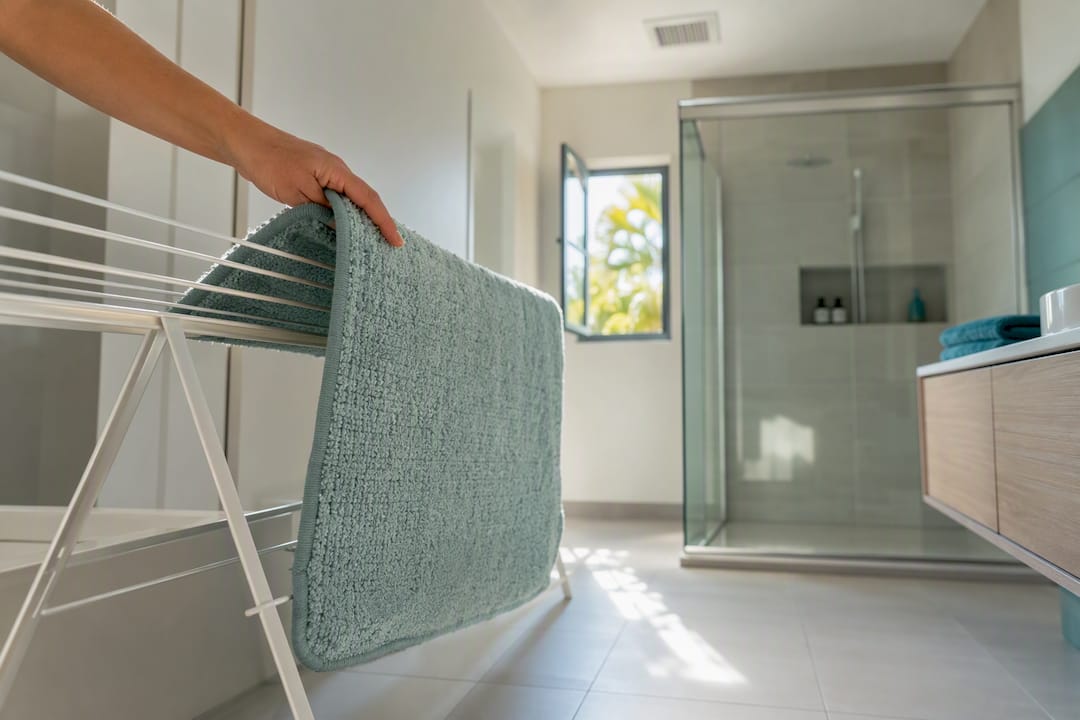
Bathroom. Ventilate during and after every shower, ideally for 20 to 30 minutes, to keep humidity from soaking into grout and drywall. Dry the shower and bathmat rather than leaving them damp, and wash shower curtains and bathmats regularly since they're prime mold habitat. Address any leak around the toilet base or under the sink immediately.
Floors. Mop hard surfaces weekly, and don't skip the edges and corners where dust and pet hair collect undisturbed. Vacuum under furniture, not just the open floor. If wall-to-wall carpet has years of embedded dust or a history of moisture, a professional carpet cleaning treatment reaches what a household vacuum physically can't.
Choosing Products That Won't Trigger Symptoms
Fragrance-free is a more reliable filter than "natural" or "green" on a label. A 2017 peer-reviewed survey found that 64.3% of people with diagnosed asthma reported at least one adverse effect from fragranced products, and 42.3% reported symptoms just from being in a room that had been cleaned with a scented product. That's not a niche sensitivity. It's a common trigger hiding in plain sight on grocery store shelves labeled "fresh linen" or "spring meadow."
Read the ingredient list instead of trusting the front-of-bottle claims. "Plant-derived" and "eco" are marketing terms with no regulatory definition; a genuinely useful label calls out fragrance-free explicitly and lists what's actually inside.
- Skip aerosols and trigger sprays; use wipes or a cloth with a liquid cleaner applied directly instead of spraying it into the air.
- Look for the EPA Safer Choice label, which certifies that a product's ingredients meet safety criteria for human health and the environment.
- Consider the Asthma & Allergy Friendly® certification mark when it's available, which specifically tests for reduced trigger potential.
- Seventh Generation's Free & Clear line is a real-world example: it's formulated fragrance-free and carries EPA Safer Choice certification, though you should still follow the label's directions and dilution instructions exactly.
Broader research on household cleaning habits backs the same conclusion: frequent use of fragranced sprays and homemade concoctions correlates with worse respiratory symptoms across large study populations, not just among people who already carry an asthma diagnosis.
Do Air Purifiers and HVAC Filters Actually Help?
They help, but only after you've handled the source. The EPA is explicit about the order of operations: control the source of the allergen first, ventilate with clean outdoor air second, and treat filtration as a supplemental layer on top, not a replacement for either. An air purifier running in a moldy bathroom is treating a symptom while ignoring the cause.
Ventilation itself deserves more attention than most homeowners give it. Well-designed airflow through a home dilutes indoor pollutants far more effectively than any standalone gadget, a principle building science relies on for ventilation strategy in residential design.
- Match a portable air cleaner's CADR (Clean Air Delivery Rate) to your actual room size; an undersized unit running at full speed still won't cycle the air fast enough to matter.
- Expect modest, not dramatic, symptom relief; filtration reduces airborne particle counts, it doesn't eliminate dust mites living in your mattress or mold behind drywall.
- Change HVAC filters every one to three months, and consider a MERV 11 or higher-rated filter if your system can handle the airflow resistance.
- Replace room-unit HEPA filters on the manufacturer's schedule, typically every six to twelve months, since a clogged filter stops filtering effectively long before it looks visibly dirty.
Mold Cleanup: When to DIY and When to Call a Professional
Mold is the one allergen where the safety rules genuinely change based on who's doing the cleaning. The CDC advises that people with asthma, allergies, or a weakened immune system should avoid doing significant mold cleanup themselves. If you fall into that group and mold shows up, hand the job to someone else in the household or hire a professional.
If cleanup is unavoidable, wear at least an N95 respirator rated by NIOSH, along with gloves and eye protection. For moldy areas beyond small patches, professional remediation is usually recommended rather than a DIY approach.
- Never mix bleach with ammonia or other cleaning products; the combination produces toxic fumes.
- Use diluted bleach solutions appropriate for non-porous surfaces as recommended, and only when appropriate for that surface.
- Fix the leak or moisture source and dry the area within 24 to 48 hours to stop regrowth before it starts.
- Confirm success by checking for both visible mold and musty odors; if either lingers, the job isn't done.
Pro Tip: A moldy smell with no visible growth usually means moisture is trapped somewhere you can't see, like inside a wall cavity. That's a job for a professional, not a spray bottle.
Safe DIY Cleaners (and the Mistakes That Cause Real Harm)
Plain white vinegar cuts through soap scum, hard water deposits, and light grease on tile and glass, and it's fragrance-free by nature. Baking soda works as a gentle abrasive for sinks, tubs, and stovetops without scratching most surfaces. Both are cheap, effective for their specific jobs, and low-risk when used alone.
The risk shows up when people start combining products without understanding the chemistry. Never mix bleach with ammonia, vinegar, or other cleaners, since several common combinations release hazardous gas. Always follow label directions and stated dilution ratios rather than guessing at stronger concentrations.
Homemade doesn't mean hypoallergenic, either. Fragranced additions like essential oils can trigger the same reactions as commercial scented products.
- Ventilate the room before and during any dust-generating task like sweeping or beating a rug.
- Wear a mask if you're sensitive and the job can't be delegated.
- Ask a non-allergic household member to handle vacuuming or dusting when possible.
Cutting Pet Dander Without Cutting Out the Pet
Dander isn't fur. It's microscopic skin flakes that pets shed constantly, and it's light enough to stay airborne for hours and cling to fabric, walls, and even ceilings. That's why pet allergies often feel unmanageable even in a visibly clean home.
Keep pets out of the bedroom entirely, with the door closed, since that's the room where reducing exposure matters most for sleep quality and overnight symptoms. Bathe dogs weekly if your veterinarian says it's safe for their skin, since regular bathing measurably reduces the dander load they shed around the house. Brush pets outside or in an easy-to-clean area rather than on the living room carpet, and wash pet bedding weekly alongside your own.
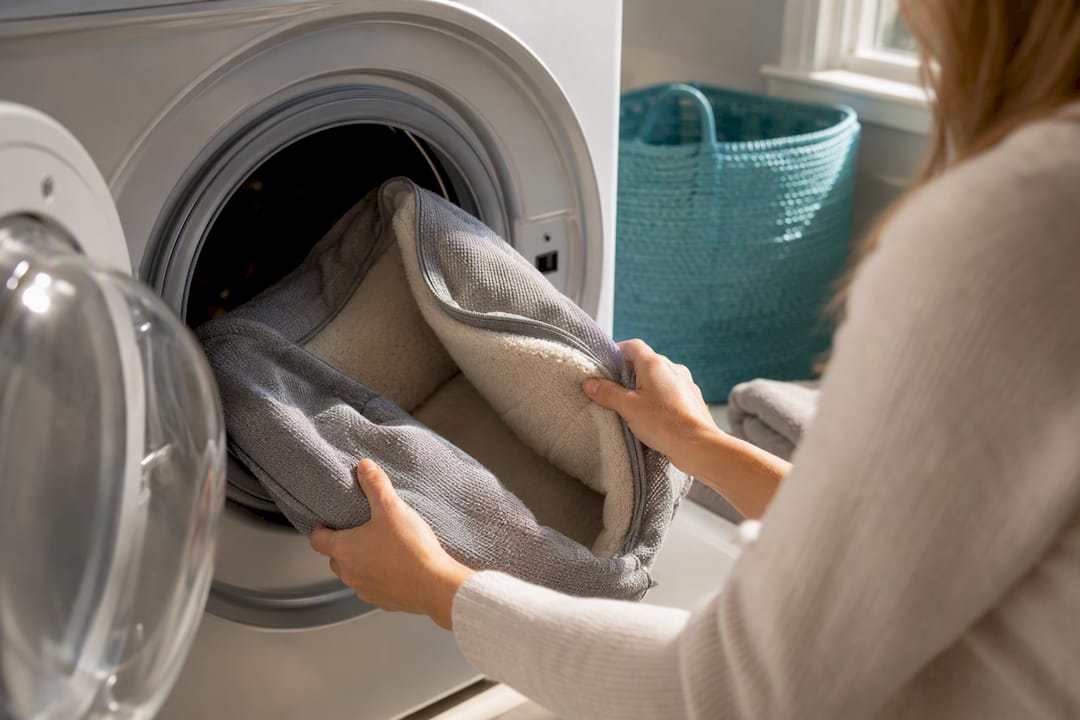
Vacuum upholstery, carpet, and pet beds with a HEPA-filtered vacuum at least twice a week in homes with shedding pets, since twice-weekly during peak allergy season isn't overkill when dander accumulates this fast. Wash your hands after handling a pet and before touching your face, particularly during flare-ups.
If dander is a major trigger, consider hard flooring over carpet in main living areas, since carpet fibers hold dander deep in the pile where a vacuum can't fully reach it. Air purifiers with true HEPA filtration help reduce what's floating in the room, but stay realistic: they supplement source control, they don't replace it. A washable slipcover on the couch is often more useful than any gadget, since it lets you launder away weeks of accumulated dander in one wash cycle.
Ventilating Your Home Before, During, and After Cleaning
Cleaning itself kicks dust, mold spores, and chemical residue into the air, at least temporarily, before settling again. That means ventilation timing matters almost as much as the cleaning method.
Open windows before you start, weather and pollen counts permitting, to establish airflow before you disturb anything. Run bathroom and kitchen exhaust fans during and for a good while after cleaning those rooms, since both spaces trap humidity and airborne particles more than any other room in the house. If pollen counts are high outside, run the HVAC system on recirculate instead of opening windows, since bringing in fresh air isn't worth it if that air is loaded with tree or grass pollen.
Keep windows cracked for 20 to 30 minutes after using any spray cleaner, even a fragrance-free one, to let residual particles clear rather than settle back onto surfaces you just wiped. If anyone in the home has significant allergies or asthma, it's worth having them leave the area during the heaviest cleaning tasks and return once the air has had time to settle, generally an hour or so after vacuuming and dusting are done. Ceiling fans set to a low speed can help circulate air out of a room faster once cleaning is finished, as long as you're not actively stirring settled dust while they run.
The Allergens Hiding Beyond Dust and Mold
Dust mites and mold get most of the attention, but pollen and cockroach allergens cause just as much trouble in plenty of homes, and they call for different tactics.
Pollen rides in on clothing, hair, shoes, and open windows during high-count seasons. Change clothes and shower after spending time outdoors on high-pollen days, and leave shoes at the door rather than tracking pollen across every floor in the house. Keep windows closed during peak pollen hours, generally mid-morning to early afternoon, and run the air conditioner instead.
Cockroach allergens come from saliva, droppings, and shed body parts, and they're a significant trigger in apartments and older buildings, particularly in humid climates. Store all food in sealed containers, never leave dishes soaking overnight, and fix any cracks or gaps where roaches enter, especially around pipes and baseboards. Take out trash daily rather than letting it accumulate, since a full kitchen trash can is one of the biggest roach attractants in any home.
Rodent allergens are less discussed but follow a similar logic: seal entry points, store food securely, and clean up droppings with a damp cloth rather than dry-sweeping, which just aerosolizes the allergen. For all three of these triggers, the pattern repeats: control the source, don't just clean around it.
How Often Should You Really Clean Each Surface?
| Item or surface | Recommended frequency |
|---|---|
| Bedding and pillowcases | Weekly, hot wash around 130°F |
| Floors (vacuum) | Weekly, more often with pets |
| Floors (mop, hard surfaces) | Weekly |
| Bathroom surfaces | After each use for wet surfaces; full clean weekly |
| Curtains | Seasonally, or monthly with pets or smokers |
| Stuffed toys | Monthly wash or freeze cycle |
| HVAC filter | Every 1 to 3 months |
| Refrigerator seals and drip pans | Monthly |
| Pet bedding | Weekly |
| Carpet (professional deep clean) | Every few months or as recommended by the manufacturer |
These intervals are starting points, not rigid rules. A household with pets, high humidity, or someone with severe allergies should lean toward the more frequent end of every range in that table.
How Cleaning.Miami Thinks About an Allergy-Friendly Home
Household habits handle daily maintenance, but embedded dust in carpets, grout, and upholstery eventually needs more than a vacuum and a damp cloth. That's the gap a professional deep clean is built to close. Cleaning.Miami uses eco-friendly products suited to South Florida's humidity, where moisture control isn't optional, and every team is background-checked and insured, backed by a 100% satisfaction guarantee. A seasonal deep cleaning or a dedicated carpet cleaning visit makes the most sense when allergy symptoms persist despite a solid weekly routine, since that's usually a sign the reservoir has outgrown what a household vacuum can pull out.
— Erik
Get a Deep Clean That Actually Targets Allergens
There's a real limit to what a weekly vacuum and a bottle of fragrance-free spray can pull out of grout lines, baseboards, and carpet fibers that have been collecting dust for months. Cleaning.Miami handles that deeper layer with eco-friendly products chosen for Miami-Dade's humidity, background-checked and insured teams, and a 100% satisfaction guarantee if anything gets missed.

A standard house cleaning keeps weekly maintenance consistent when your own schedule gets in the way, while a deep cleaning targets the buildup a routine wipe-down never reaches, including the carpet and upholstery layers where dust mites and dander settle deepest. Condo and apartment residents can work with teams familiar with building access rules and elevator scheduling, and Airbnb hosts can book a turnover clean between guests designed to reduce pet dander or fragrance residue that might trigger allergies. Booking can be done quickly online, often without requiring a contract. Get a quote for your space and pick a date that works.
This article is general information, not a substitute for advice from a qualified doctor. Consult a qualified healthcare professional about your own circumstances before acting on anything here.
Sources
- Guide to air cleaners in the home | US EPA
- Mold cleanup | CDC
- Fragranced consumer products and adverse health effects in the United States
- Cleaning tips for allergy and asthma sufferers | AAAAI
- All Purpose Cleaner - Free & Clear | Seventh Generation
FAQ
How Do You Clean Your House If You Have Allergies?
Focus on the highest-yield actions first: hot-wash bedding regularly, vacuum with a HEPA filter, damp-dust instead of dry-dusting, and control humidity to keep it under 50%. Switch to fragrance-free products and avoid aerosols, since scented cleaners are a documented trigger for a large share of people with asthma.
What Is the Best Cleaner to Use If You Have Allergies?
The safest bet is any fragrance-free cleaner with a transparent ingredient list, ideally one carrying an EPA Safer Choice certification. Seventh Generation's Free & Clear line is one widely available example that meets both criteria.
Is It Possible to Be Allergic to Cleaning Products?
Yes, and it's more common than most people realize. Fragranced cleaning products cause documented adverse effects, including respiratory symptoms, in a large share of people with diagnosed asthma, which is why fragrance-free formulas are the safer default for sensitive households.
Do Disinfecting Wipes Remove Allergens?
Disinfecting wipes remove surface germs and some dust, but they aren't designed to pull allergens out of fabric, carpet, or deep reservoirs like a mattress. They work well for hard, non-porous surfaces such as counters and doorknobs, but bedding still needs a hot-water wash and carpets need HEPA vacuuming or a professional carpet cleaning to get at what's embedded below the surface.
When Should You Hire a Professional Instead of Cleaning Yourself?
Call a professional when mold covers more than about 10 square feet, which matches CDC's own threshold for recommending remediation experts rather than DIY cleanup. It's also worth booking a deep cleaning when symptoms persist despite a consistent weekly routine, since that usually signals a dust or allergen reservoir that's outgrown what household tools can reach.